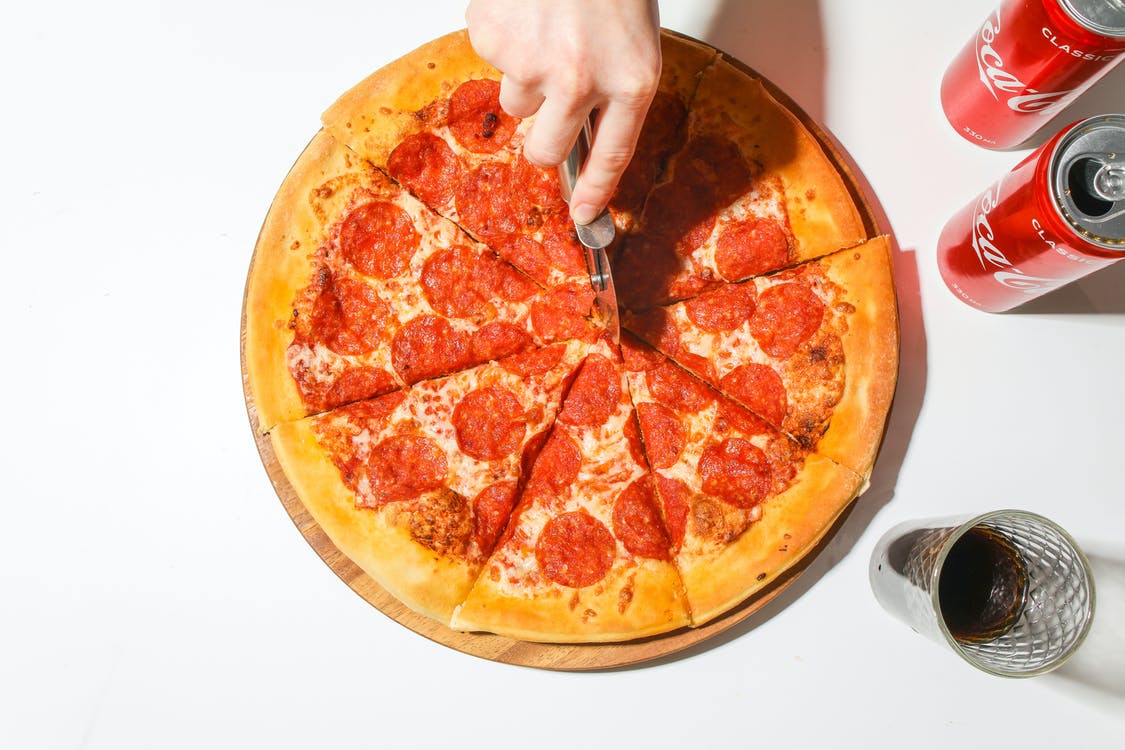
Post food Reels on Instagram three to five times a week. Run hyperlocal ads on Zomato within a 3 km radius of the outlet. Set up a loyalty stamp card. Pull the POS sales report every Monday and build the week’s promotion around whichever day dips the hardest. Those four moves, done consistently for 90 days, can push monthly revenue up by 15 to 25 per cent for a standalone pizza shop.
India’s pizza market crossed USD 5.81 billion in 2025, growing at 8.87 per cent CAGR. Domino’s runs 2,179 stores across 475 cities and plans to hit 4,000 within four to six years. Pizza Hut crossed 630 outlets in FY25. An independent pizzeria in Bopal, Ahmedabad, or on MG Road in Indore won’t win by outspending them. It wins by being sharper about where the promotional budget lands.
Key Takeaways
- Reels and Google My Business cost nothing and bring in the most walk-ins per rupee for standalone pizza shops
- Time-bound combos that fill dead hours (2:30 PM to 6 PM on weekdays) protect dinner margins while recovering lost footfall
- Aggregator ads on Zomato and Swiggy beat Instagram boosts for delivery-heavy outlets because the person browsing at 8 PM already wants to place an order
- A WhatsApp broadcast list of 2,000 numbers is worth more than 10,000 Instagram followers for repeat purchases
1. Why Should Reels Come Before Static Posts?
Short-form video is the highest-ROI free channel for Indian pizzerias in 2026. TouchBistro’s 2025 Diner Trends Report found that 41 per cent of diners use social media to research restaurants, rising to 67 per cent among Gen Z. A single cheese-pull Reel filmed on a phone can reach 40,000 to 60,000 local viewers without ad spend.
A 12-second clip of cheese pulling off a Margherita slice, filmed on a phone propped against a ketchup bottle under the kitchen tube light, does the selling without a fancy camera. Just the cheese doing the work.
Content ideas that gain traction for Indian pizza shops specifically:
- Slow-motion dough toss behind the counter (the flour puff sells it)
- Raw-to-oven-to-plate progression in one cut, 8 seconds flat
- A table of college students pulling the first slice apart, filmed with their consent
- Regional twist reveals: assembling a Kolhapuri chicken topping or a paneer tikka variant layer by layer
Best posting windows are 11:30 AM to 1 PM and again between 5 PM and 7 PM. The Petpooja blog has a full breakdown on making a restaurant Insta-famous.
2. Google My Business: The Most Overlooked Pizza Marketing Channel
Google My Business is the most underused free marketing channel for independent pizza shops in India. A complete GMB profile with 10+ food photographs, updated hours, and 100+ customer reviews ranks higher in “pizza near me” searches than competitors with fewer reviews, even if those competitors hold a higher star rating.
“Pizza near me” matters more to a pizzeria in Aundh, Pune, than any hashtag strategy. Yet half the independent shops in tier-2 cities either haven’t claimed their GMB listing or filled it out once in 2022 and forgot about it.
A complete profile needs updated hours (including festival-day changes), a WhatsApp-linked phone number, at least 10 photographs of the outlet and the food, and a menu upload. Beyond that, the review count carries weight. A place with 130 reviews at 4.4 stars will rank above a competitor sitting at 18 reviews and 4.8, almost without exception. Print a QR code on every receipt that drops the diner straight onto the Google review page. According to a 2024 BrightLocal survey, 98 per cent of consumers read online reviews for local businesses, making this the single easiest visibility win.
3. Why Do Aggregator Ads Beat Instagram for Delivery?
For delivery-heavy pizzerias, Zomato and Swiggy promoted listings outperform Instagram boosts because the user is already intent on ordering food. Someone opening Zomato at 8:15 PM has already decided to buy. Someone scrolling Reels at the same time might be watching cat videos. Intent makes the difference.
Start at ₹300 to ₹500 per day, targeting a 3 to 5 km radius. Track cost per acquisition each week. For example, consider a pizzeria in Electronic City, Bangalore, that tested both channels side by side in March 2026. Zomato ads landed at ₹38 per acquisition while Instagram came in at ₹95. On top of that, the aggregator brought double the volume.
Our guide on running restaurant ads covers paid strategy beyond aggregator platforms.
4. How Do Time-Bound Combos Fill Dead Hours?
Between 2:30 PM and 5:30 PM on a Tuesday, most pizza shops in India are burning rent and electricity for near-zero footfall. Blanket discounts running all day don’t fix that. They just cut margins during dinner, which was already busy.
A time-locked combo solves this differently. A “Student Hour” deal from 3 PM to 5:30 PM offering a personal pizza and a cold drink at ₹179 pulls college crowds during those empty hours. Similarly, a “Weekday Lunch Combo” at ₹249 with a medium base and garlic bread targets office workers on Swiggy between 12:30 PM and 2 PM. The deal has to show up on the Zomato listing during those exact windows only, and a WhatsApp broadcast the night before keeps it visible.
One thing to watch: if the combo runs too long, it stops feeling special. Four weeks on, two weeks off works as a rhythm.
5. Do Loyalty Cards Still Work for Pizzerias?
Physical loyalty stamp cards remain effective for standalone Indian pizzerias because they require zero tech setup and show returns within the first month. POS-tracked buyer histories allow owners to identify customers who have lapsed for 30+ days and send targeted WhatsApp offers, recovering revenue at near-zero cost.
The stamp card is old. It is also the one tactic that a pizzeria in Maninagar, Ahmedabad, can set up in an afternoon and start seeing returns within the same month.
Buy 7, get the 8th free. Punch the card at the counter. Done.
For delivery-side loyalty, the billing system does the heavy lifting. A POS tracks purchase frequency, so the owner (or the evening manager, more realistically) can pull up a list of buyers who came three times in January but haven’t returned since. A ₹50-off WhatsApp message to that list takes five minutes and recovers revenue that would have walked to the competitor down the lane. At Petpooja, we have watched chains identify their top 100 repeat buyers through CRM reports and give them first access to new menu launches. One chain in western India saw a 12 per cent jump in monthly repeat purchases from that tactic alone, for example. More ideas in our loyalty programme guide.
6. Let the POS Guide Your Pizza Marketing Spend
Pizza shops that pull weekly POS reports and plan promotions around that data see 18 to 22 per cent higher average bill values than outlets running the same offer on repeat, based on patterns observed across 1,00,000+ restaurants on Petpooja POSS.
Most guides skip this part entirely, which is odd because it might be the highest-returning tactic on this list. The billing system on the counter already holds answers the owner never asks for. Which item has the fattest margin? Which day tanks compared to the weekly average? Which regular patron placed four orders in December and then vanished?
A restaurant POS like Petpooja POSS generates item-wise sales reports, hour-by-hour breakdowns, and full buyer histories. POSS also offers a Marketing Automation add-on that can be purchased alongside the POS. Its Advertisements section connects to Meta Platforms, JioHotstar, Influencer + Meta campaigns, Digital Display Ads, and a Table Reservation Manager. The Performance tab tracks how each ad channel is doing, so the owner can compare spend versus returns across platforms from the same dashboard where bills are generated. No toggling between five different ad manager tabs.
As a result, the Monday morning habit should look like this:
| Question | Where to Find It | What to Do With It |
|---|---|---|
| Which item to push this week? | Item-wise margin report | Promote the high-margin one, not the bestseller |
| Which day needs a deal? | Day-wise revenue trend | If Tuesday runs 35% below average, Tuesday gets the combo |
| Who went cold? | Buyer history | Anyone missing for 30+ days gets a ₹50-off WhatsApp nudge |
7. How Do You Shoot Pizza Photos Without a Budget?
Professional-looking pizza photographs require only a phone camera, a ₹200 ring light, and natural window light between 11 AM and 1 PM. The 45-degree angle outperforms flat-lay because it captures cheese stretch and crust rise. Shots must be taken within 40 seconds of cutting before the cheese sets and steam disappears.
Pizza follows different rules for food photography. Flat-lay shots kill it. The overhead angle flattens the cheese and hides the crust rise, which are the two things making a slice look worth buying.
| Trick | Reason |
|---|---|
| Shoot the cheese pull at 45 degrees | Texture and stretch become visible |
| Scatter toppings unevenly before clicking | Looks hand-made, not assembly-line |
| Place the base on a dark wooden board | Colour contrast pops on phone screens |
Worth flagging: the window for a good photo is tiny. Keep the phone ready before the cutter touches the pizza. Full details in the food photography tips guide.
8. Can Regional Flavours Drive Pizza Marketing?
Regional pizza variants drive organic word-of-mouth for Indian pizzerias. Pizza Hut India launched its Juicylicious range in April 2025 featuring Kadhai paneer and Southern Chilli sauces, reinforcing that localised flavours resonate with Indian consumers more than imported toppings.
Independent shops can move even faster. A pizzeria in Ahmedabad, for example, could test a Dabeli topping with peanut crumble and pomegranate seeds. A place in Lucknow might experiment with Galouti kebab finished with a mint chutney drizzle. These aren’t menu gimmicks. They become the talking point that gets photographed by every second table and forwarded on WhatsApp groups without the owner spending a rupee.
Run each regional creation as a limited-edition. Four weeks on, then pull it. Scarcity makes people place an order sooner, and the next edition gives the Instagram page fresh content the following month.
9. Why Does WhatsApp Beat Email for Pizza Shops?
WhatsApp business messages achieve open rates of 98 per cent compared to roughly 22 per cent for email, with 90 per cent of messages read within three minutes of delivery. For Indian food businesses, WhatsApp is the undisputed winner for promotional communication.
Build a broadcast list from every buyer who has placed an order. Ask at the billing counter: “Can we send weekly deals on WhatsApp?” Most say yes. A pizza shop in Madhapur, Hyderabad, for example, could realistically build a list of 2,000 contacts within three months just from that counter ask.
Send one message per week. Not two. Not five. One.
- A Monday message with the week’s special and one food photograph
- A festival-day greeting with a combo code attached
Daily messages get the number blocked. Rebuilding a shrunk list takes months. Discipline matters more than frequency here.
10. Should You Hire Micro-Influencers or Celebrities?
A micro-influencer with 8,000 local followers posting authentic food reviews drives more pizzeria sales than a celebrity with a lakh followers posting a scripted shoutout. The recommended approach: offer a free meal for two, request one Reel and one Story with no script, and budget ₹0 to ₹2,000 per month on influencer meals.
A food blogger in Pimpri-Chinchwad who posts real reviews will move more sales than a scripted celebrity endorsement. The audience knows the difference within two seconds of watching.
Rotate three to four local bloggers across a quarter. Track which blogger’s clip brought the most profile visits through collab metrics. Double down on the one who converts. One thing we have noticed across Petpooja POSS clients: pizzerias that tag the influencer in their own Reel repost get a second wave of views from the blogger’s followers discovering the page days later.
Deeper strategy in our post on influencer marketing for restaurants.
Conclusion
Pizza marketing for an Indian pizzeria rests on four pillars. Visual content on Instagram brings discovery. Google and aggregator presence captures intent-driven buyers. Loyalty and WhatsApp keep the regulars coming back. And the POS data already on the counter tells the owner exactly where to put the next rupee of promotional spend.
A single-outlet shop spending ₹8,000 to ₹12,000 a month on Zomato ads and two hours a week on Reels can hold its own against chains burning lakhs. Pick one gap at a time. Zero social presence? Start with Tip 1. Decent Instagram but poor repeat visits? Skip to Tip 5.
If the current billing system does not break down sales by item, by hour, or by buyer, that is the first thing worth fixing. Petpooja POSS pays for itself within a quarter through sharper promotion planning alone. For a wider look at scaling, read about growing a pizzeria in India.
FAQs
Instagram Reels and Google My Business. Both free. A single cheese-pull Reel shot on a phone can reach 40,000 local viewers, and an optimised GMB listing surfaces the shop for every “pizza near me” search within a 5 km radius.
₹8,000 to ₹15,000 covers aggregator promoted listings and the occasional Instagram boost. That range suits outlets doing ₹3 to ₹5 lakh monthly. Don’t scale until 60 days of cost-per-acquisition data reveals which channel actually converts.
In dense residential pockets within 2 km, sometimes. Print a unique code on each batch (for example, “FLYER50”) and count redemptions. Most owners who track the numbers find aggregator ads bring more measurable results for the same spend.
Three to five. Below two, the algorithm buries the page. Above five, content quality drops. Batch-shoot clips on one slow afternoon, schedule them through Meta Business Suite, and the rest of the week stays free.
Not on budget. On authenticity and local trust, absolutely. Domino’s cannot replicate the owner remembering a regular’s usual choice, or dropping a free garlic bread for a family that visits every Friday. The 3 km radius around the outlet is the battlefield. Win that, and the chain next door stops mattering.