



Unique Indian cuisines, like Kashmiri Wazwan or Naga food, give you dishes that most menus skip. Many Indian menus still stick to the same few dishes, from butter chicken to paneer tikka, though that is starting to change.
This list gives you 10 of these cuisines. They run from a Kashmiri wedding feast to a dry Mangalorean chicken dish cooked with fresh coconut.
Each cuisine comes with its best-known dishes, what makes it different, and a vegetarian option. You also get a short note on how it could work on your menu.
After the list, there is a simple five-step way to test one cuisine without changing your whole menu.
Key Takeaways
- If your customers do not name a home cuisine they miss, Bihari and Odia food are among the easiest to start with.
- Thukpa is the gentlest way into Sikkimese food, since momo fans often know it.
- Secure your supply before listing Naga food. Smoked pork and akhuni are scarce in most cities.
- Trial one dish for a few weeks, and keep it only if its sales hold after the first week.
What Makes an Indian Cuisine Unique?
An Indian cuisine is unique when its taste comes from one place and its people.
The local crop, the weather and the community’s own habits all shape the food. That is why Assamese cooks chase a sour taste. Naga cooks use fermented soya beans, and Malvani cooks build their curries on fresh coconut.
Most cuisines on this list have one such defining flavour. It usually points to the ingredient you will need to find first.
Why Should Your Restaurant Add a Unique Indian Cuisine?
Your restaurant should add one because many diners who moved to cities miss food from home, and many will pay more for dishes that feel rare. A May 2026 feature in Restaurant India says city menus “looked almost the same” for years. Then it adds: “That is now changing quickly.”
The article notes that many people who moved to cities miss food from home. It also says “customers are willing to pay more for dishes that feel rare, handcrafted, and culturally rich.”
10 Unique Indian Cuisines to Add to Your Menu
Here are the 10 unique Indian cuisines at a glance, with one dish to test from each. Each section below ends with a note on how the cuisine could work on your menu.
| Cuisine | Dish to test | Ingredient to source | A vegetarian option | Travels for delivery? |
|---|---|---|---|---|
| Kashmiri Wazwan | Rista | Mutton for the meatballs | Sabz haakh (greens) | Yes, it is a curry |
| Bihari | Litti chokha | Sattu (roasted gram flour) | Litti chokha itself | Yes |
| Odia | Dalma | Lentils, vegetables, coconut | Dalma itself | Dalma yes, pakhala is best served at the table |
| Assamese | Masor tenga | Elephant apple or dried mangosteen | Potato pitika | Yes, with rice packed apart |
| Naga | Smoked pork with akhuni | Akhuni (fermented soya bean cake) | Vegetable galho | Yes, it is a stew |
| Sikkimese | Thukpa | Dalle Khursani, for the side pickle | Gundruk | Yes, with broth packed apart |
| Parsi | Dhansak | Lentils and mutton | Bun maska | Yes |
| Saoji | Saoji mutton | The Saoji masala | Saoji masala on paneer (a modern take) | Yes, it is a curry |
| Malvani | Kombdi vade | Malvani masala, kokum and fresh coconut | Kalya vatanya chi aamti | Curry yes, vade is best fresh |
| Mangalorean | Kori sukka | Fresh grated coconut | Goli baje | Yes, it is a dry dish |
The “travels for delivery” column is our own view. It is based on whether the dish is a curry, a dry dish or best eaten fresh. Our guide to a bestselling delivery menu covers how to list dishes for delivery.
1. Kashmiri Wazwan: The Feast Known for 36 Dishes
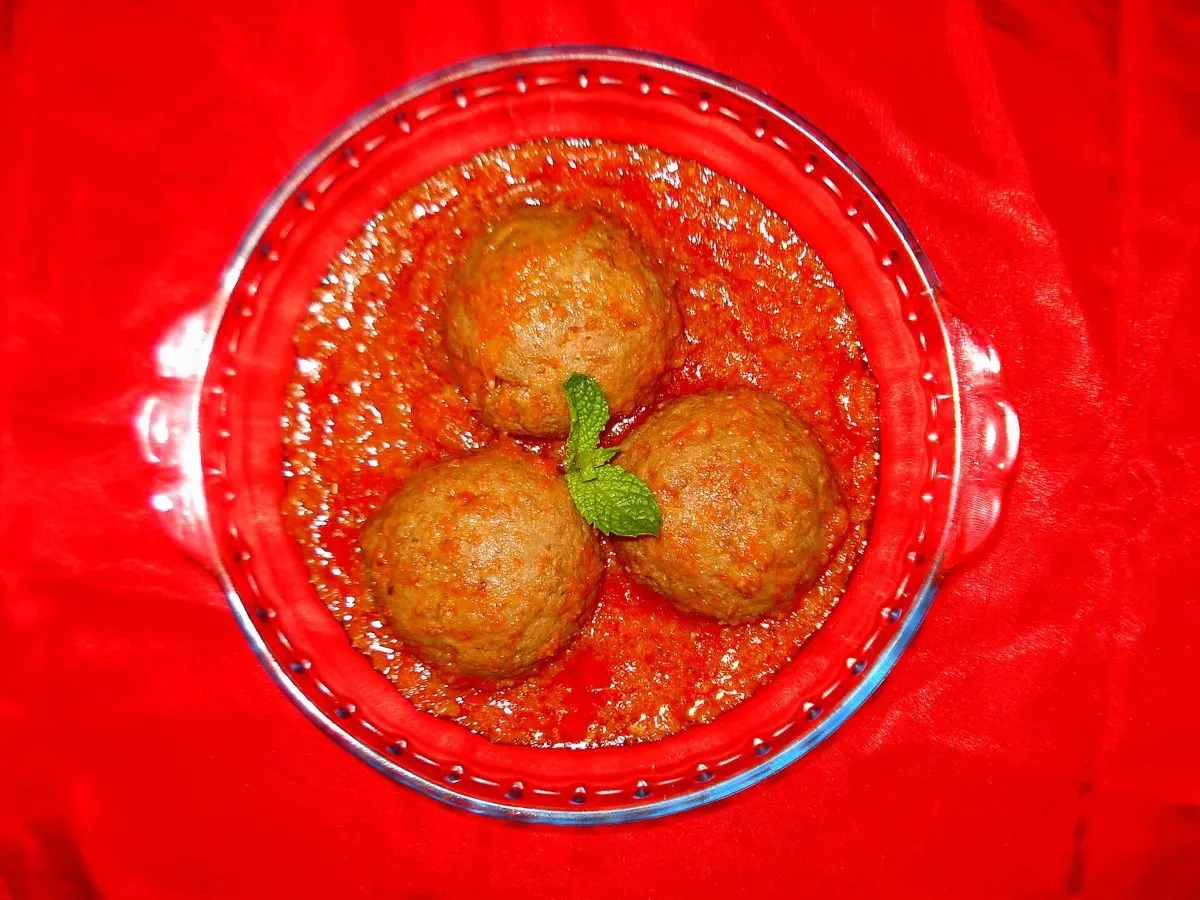 Photo: Miansari66, public domain (CC0), via Wikimedia Commons
Wazwan is Kashmir’s grand feast, cooked for weddings and festive days.
Incredible India says it is “often described as a ’36-dish multi-course meal'”. The name joins “waza” (cook) and “wan” (shop). The feast is served on a large round platter called a traem, and four people share it.
Signature dishes:
- Rista: soft mutton meatballs cooked in a red, spicy gravy.
- Gushtaba: meatballs in a thick yoghurt gravy. It closes the main course before dessert.
- Rogan josh: the name comes from “rogan” (fat) and “josh” (cooking on high heat).
For vegetarians: sabz haakh, leafy greens cooked in mustard oil. The same page says Wazwan “feels incomplete” without it. There is also ruangan chaman, paneer in a tomato and milk gravy. In Kashmir, paneer is called chaman.
On your menu: skip the 36 dishes. A small Wazwan platter of rista, haakh and rice, served for two or four to share, gives guests the feel of the feast.
2. Bihari Food: Litti Chokha and Champaran Meat
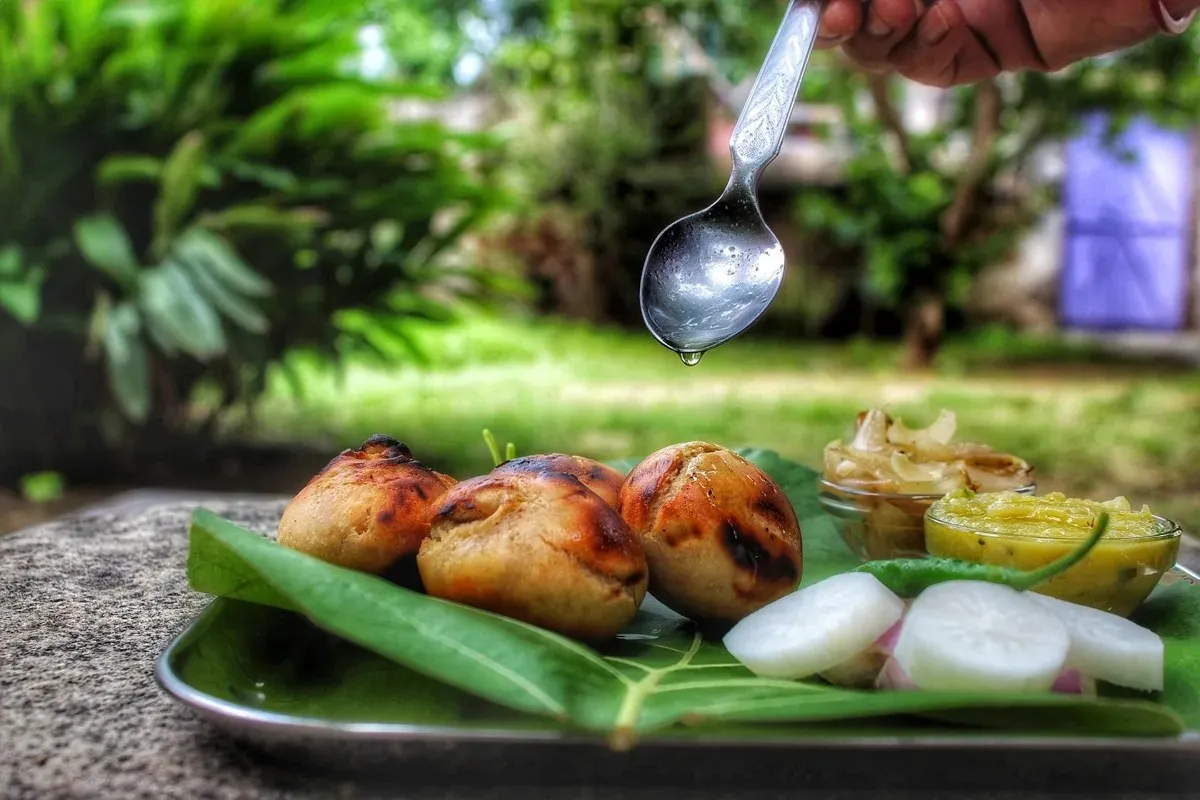 Photo: Star zyz, CC BY 4.0, via Wikimedia Commons
Bihari food is hearty, smoky and built on simple pantry staples.
Bihar Tourism describes litti as a salted wheat flour cake, filled with sattu and spices, baked and served with ghee. Incredible India says it is usually roasted over charcoal. That gives it a smoky taste.
Signature dishes:
- Litti chokha: litti served with chokha, a mash of brinjal, tomato and potato with mustard oil.
- Champaran meat: also called ahuna or handi meat. The meat, usually mutton, goes into a clay pot with mustard oil, ghee, onion, garlic and ginger. The pot is sealed with dough and left over charcoal for several hours.
- Sattu paratha: a flatbread stuffed with spiced sattu, served with aloo bhujia.
For vegetarians: litti chokha is vegetarian, and so is the sattu paratha.
On your menu: this is one of the easiest cuisines to start with. Wheat flour, sattu, potato and brinjal are easy to buy in most cities. Keep Champaran meat as a weekend dish, because of the long cooking time.
3. Odia Food: Dalma and Pakhala Bhata
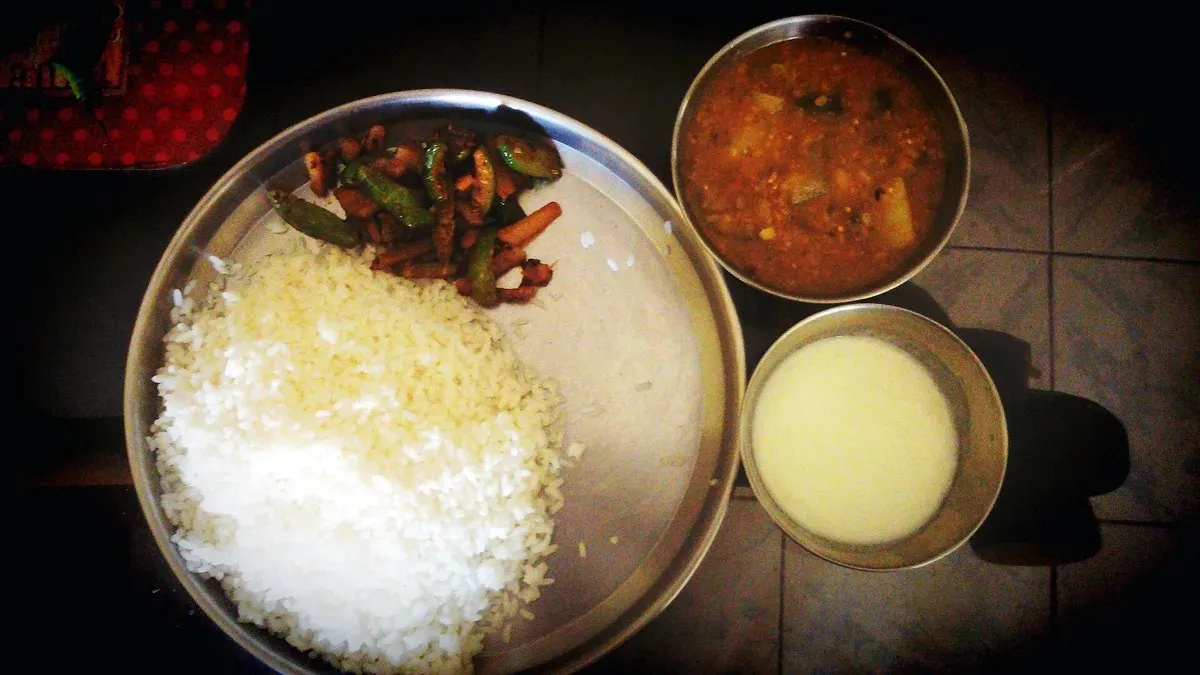 Photo: SoumyaSarangi, CC BY-SA 4.0, via Wikimedia Commons
Odia food is mild and homely, with a love for lentils, rice and fresh cheese.
Incredible India calls dalma “the heart and soul of Odisha’s everyday meal”.
Signature dishes:
- Dalma: lentils cooked with vegetables, lightly spiced and topped with grated coconut.
- Pakhala bhata: fermented rice soaked in water. The page calls it “Odisha’s answer to the scorching summers”. It is often served with fried fish or vegetables.
- Chhena podo: roasted, caramelised cottage cheese, often called the state’s own cheesecake.
For vegetarians: dalma and chhena podo. There is also santula, a vegetable curry made with few spices.
On your menu: dalma uses lentils, vegetables and coconut, so it is easy to start with. Pakhala fits a summer lunch special.
4. Assamese Food: The Sour Kick of Masor Tenga
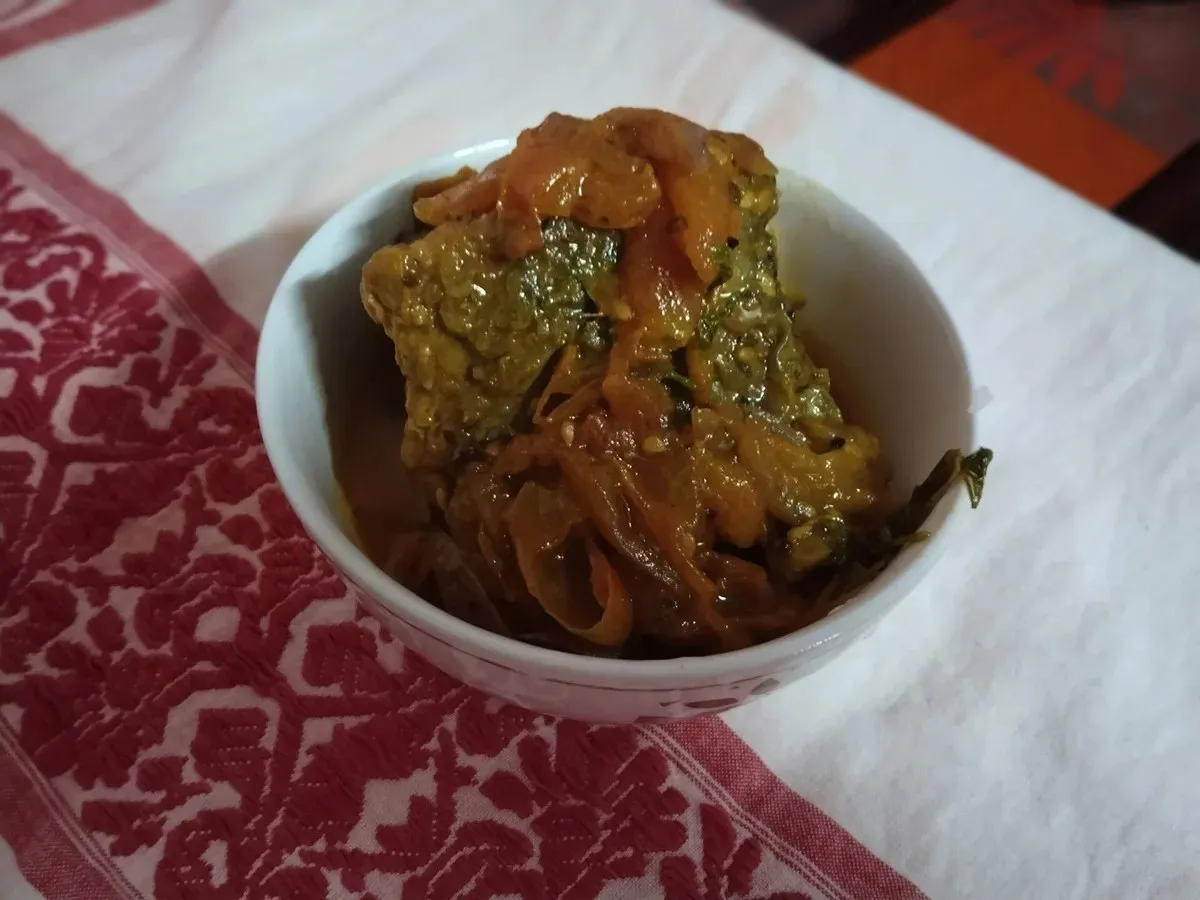 Photo: Anindita Hazarika156, CC BY-SA 4.0, via Wikimedia Commons
Assamese food is light on spice and big on sour, fresh flavours.
Incredible India says “tenga” means “sour” in Assamese. The sour taste can come from tomato, dried mangosteen, lemon, raw mango or elephant apple.
Signature dishes:
- Masor tenga: a mildly spiced, tangy fish curry, eaten with rice.
- Duck meat curry: duck cooked with ash gourd, a winter dish. It is a highlight of the Uruka feast, held the day before Magh Bihu, Assam’s January harvest festival.
- Pitika: roasted or boiled vegetables or fish, mashed with green chilli, onion, ginger and raw mustard oil.
For vegetarians: pitika made with potato or brinjal. There is also ou khatta, a sweet and sour chutney of elephant apple and jaggery.
On your menu: elephant apple and dried mangosteen are hard to find outside the north-east. A tenga soured with tomato and lemon is still a true version, and it is easier to cook every day.
5. Naga Food: Smoked Pork With Akhuni
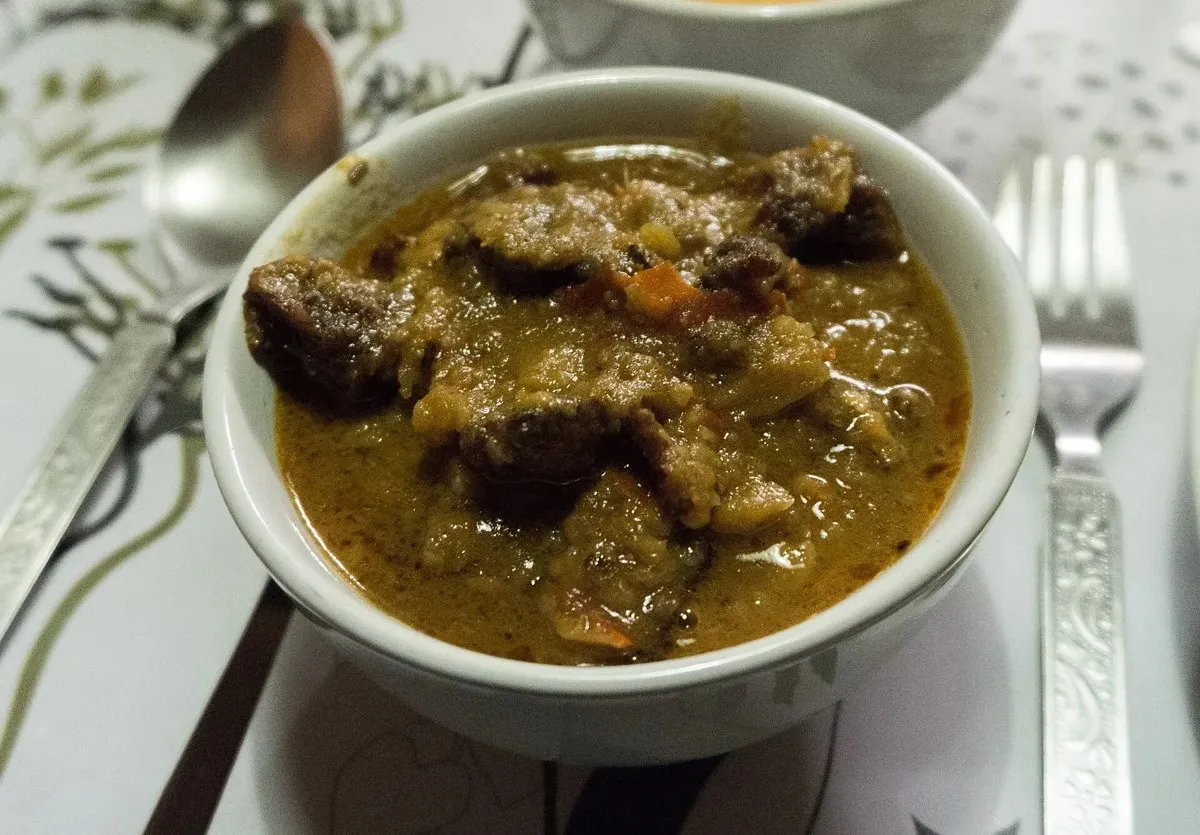 Photo: Sumit Surai, CC BY-SA 4.0, via Wikimedia Commons
Naga food is smoky and bold, and it comes from more than 15 tribes, each with its own dishes.
Incredible India says akhuni, also called axone, is made from soya beans. It is commonly sold “in a powdered cake form”, and it gives pork stew its distinctive flavour.
Signature dishes:
- Smoked pork with akhuni: a pork stew made rich with the fermented soya bean.
- Bamboo steamed fish: fish packed with spices inside a bamboo tube and smoked over an open flame.
- Amrusu: the Ao tribe’s dish of ground rice, chicken and bamboo shoots.
For vegetarians: galho, a soupy rice dish a bit like khichdi, can be made with vegetables only. There is also hinkejvu, a simple dish of colocasia, cabbage, mustard leaves and French beans.
On your menu: good smoked pork and akhuni are hard to buy in most cities. The Restaurant India feature notes that axone and smoked pork, once little known outside the north-east, now appear in city cafés. Supply is still thin, so find a steady supplier before you list the dish.
6. Sikkimese Food: Gundruk, Thukpa and Dalle Chilli
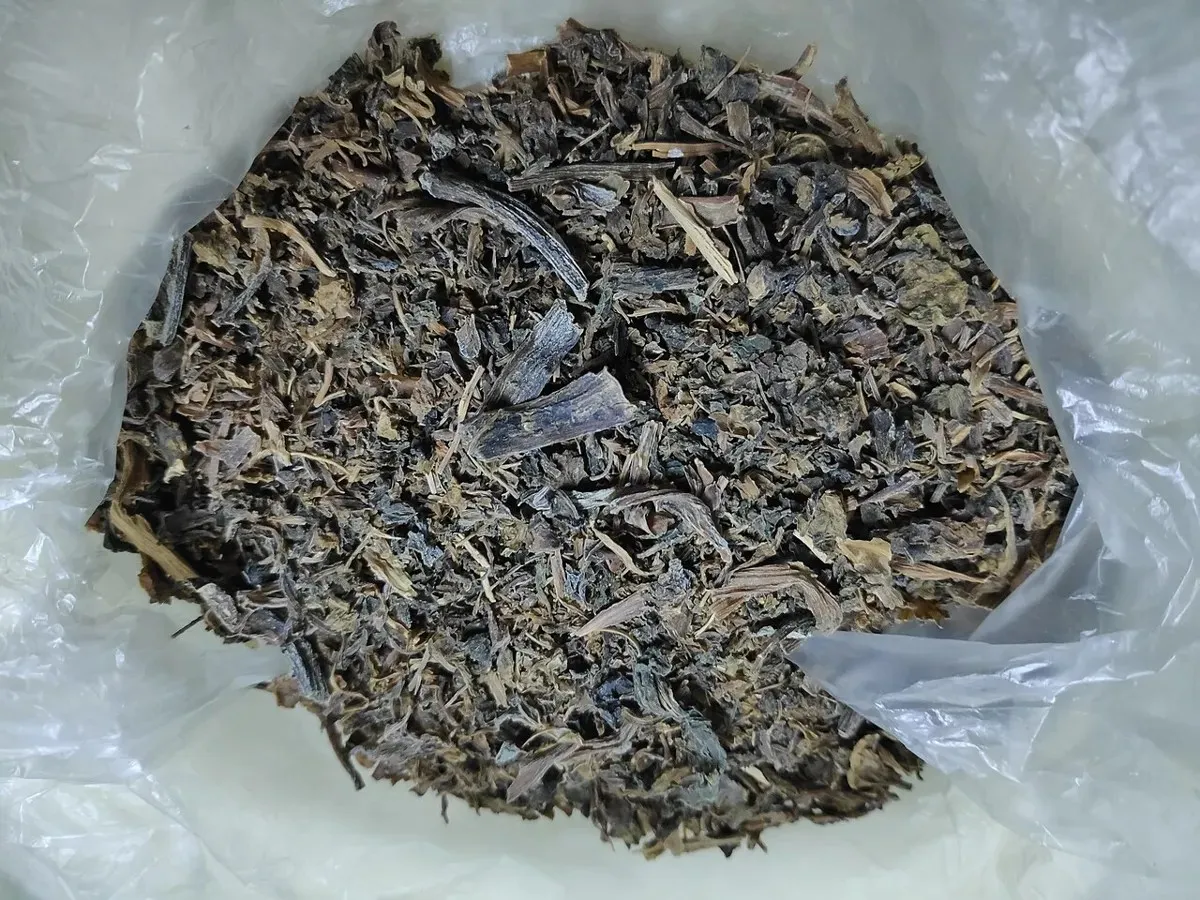 Photo: Gaurav Dhwaj Khadka, CC BY-SA 4.0, via Wikimedia Commons
Sikkimese food is warm, simple mountain food, with fermented greens and very hot chillies.
Incredible India’s Gangtok page lists momos, thukpa and gundruk as dishes to try. Gundruk is made from leafy greens, such as mustard leaves. They are fermented without salt and then sun-dried, says a regional food study.
Signature dishes:
- Thukpa: a Tibetan-style noodle soup, served with vegetables or meat.
- Gundruk: the fermented greens, cooked into a soup or curry.
The chilli to know is Dalle Khursani. The India.gov.in portal lists it with a Geographical Indication (GI) tag. The portal says the chillies are “known for their unique flavor and high heat”. The chilli is grown around Namchi in South Sikkim and used in pickles, chutneys and sauces.
For vegetarians: gundruk, and thukpa made with vegetables.
On your menu: thukpa is the easy way in, because guests who order momos often know it. A small bowl of Dalle chilli pickle on the side gives the meal a true Sikkim touch.
7. Parsi Food: Dhansak and Patra ni Machhi
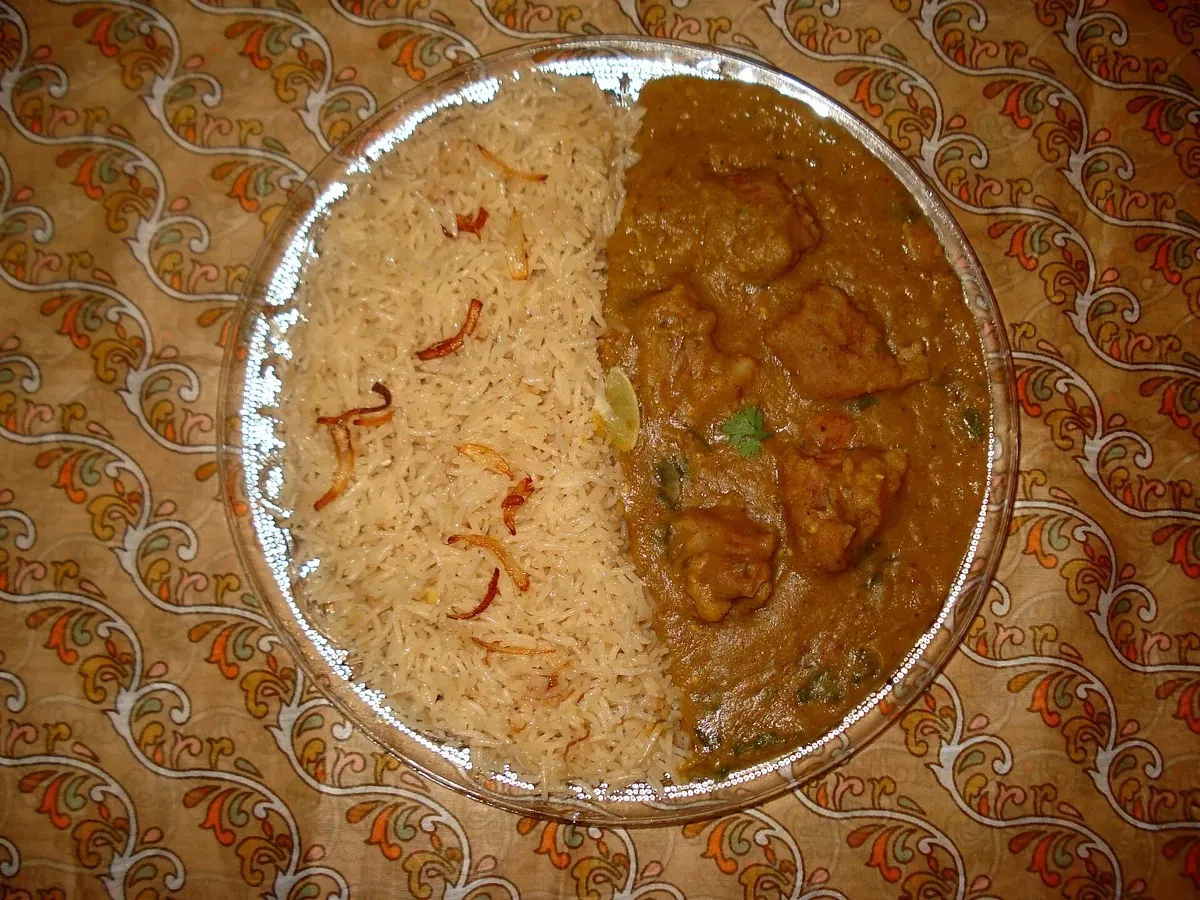 Photo: Miansari66, public domain (CC0), via Wikimedia Commons
Parsi food blends Persian and Indian cooking, with a soft spot for eggs and a sweet and sour taste.
InHERIT, Ashoka University’s heritage project, says it began with the Parsis who came from Persia. They settled on India’s west coast. It notes a running joke that Parsis add an egg on top of everything they cook.
Signature dishes:
- Dhansak: “a lentil and meat stew redolent with spices”, often served at dinner.
- Patra ni machhi: fish steamed in banana leaves with a fragrant green masala.
- Salli boti: mutton simmered in a tangy, tomato-based gravy.
For vegetarians: the choice is smaller here. Bun maska, soft bread with butter, is the easiest pick, and the page says everyday lunch is dal and rice with a vegetable curry. Guests who eat eggs can try akuri, a rich scrambled egg dish with tomato and onion.
On your menu: Parsi food suits a café menu. Akuri and bun maska work for breakfast, and dhansak works as a weekend special.
8. Saoji Food: Nagpur’s Fiery Mutton
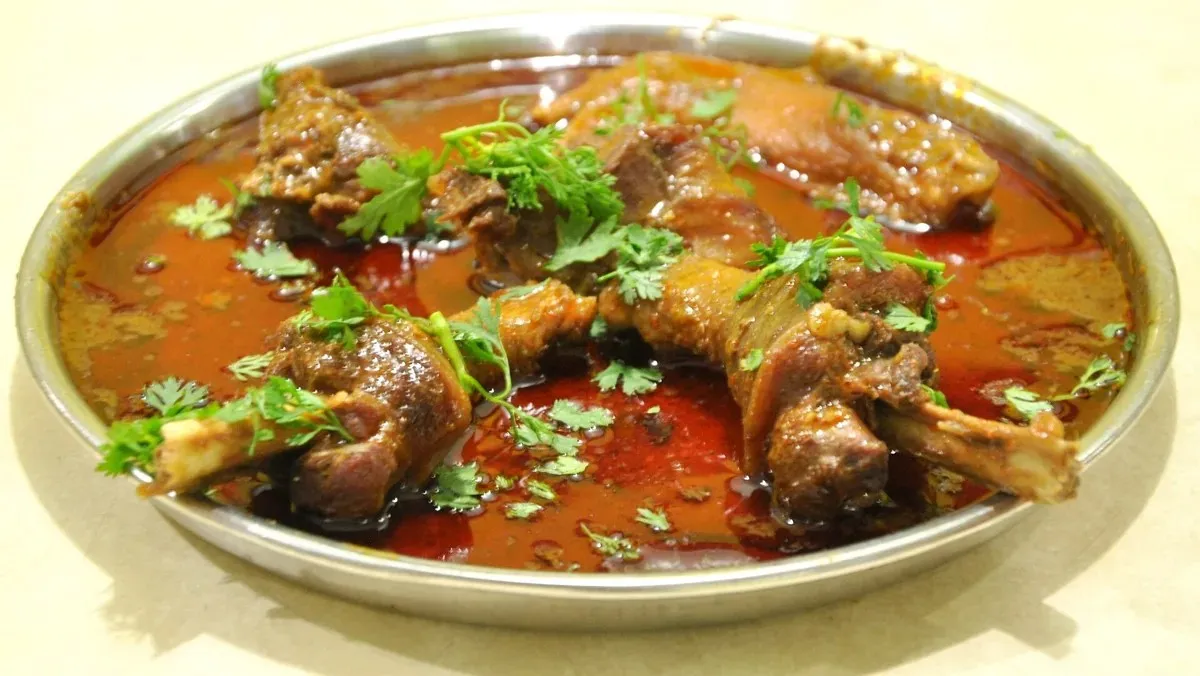 Saoji chicken curry, cooked in Saoji masala. Photo: Dheerajk88, CC BY-SA 4.0, via Wikimedia Commons
Saoji is Nagpur’s meat cuisine, and it is famous for its fiery masala.
A Saoji feature in Onmanorama says the Halba Koshti, a weaver community, made Saoji their identity dish. They moved to Nagpur in 1877 to work in the Empress Mills.
What makes it unique:
- The masala: the cooks use two masala powders, made from 32 ingredients between them.
- The method: the traditional dish is cooked in jute oil, in clay pots.
- The cut: almost every part of the goat goes into the pot.
Signature dish: Saoji mutton curry. The same article, from 2018, says Saoji is hard to find outside Nagpur, apart from food festivals. If the gap still holds in your city, that is your chance.
For vegetarians: Saoji is a meat cuisine at heart. For a vegetarian dish, you could cook paneer in your Saoji masala. Call it “Saoji-style” on the menu, so guests know it is a modern take.
On your menu: test one Saoji curry as a special and mark it as very spicy. A short menu description that names the heat helps guests order it with confidence. Sell it with rice or rotis so guests can balance the heat.
9. Malvani Food: Kombdi Vade and Malvani Masala
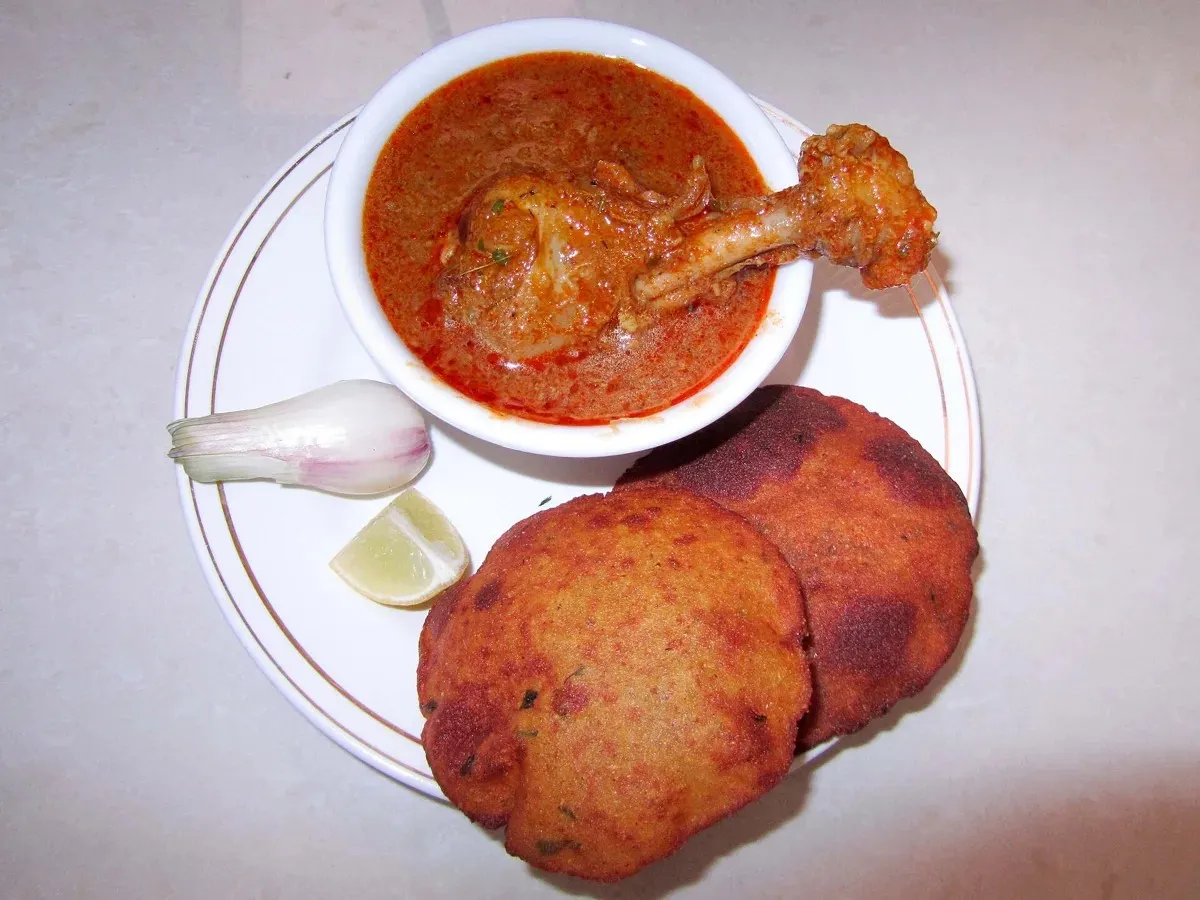 Photo: Wikipal19, CC BY-SA 3.0, via Wikimedia Commons
Malvani food comes from Malvan, in the Sindhudurg district on Maharashtra’s coast, and it is full of coconut and spice.
The News Minute says Malvani masala is “a concoction of 15 to 16 dry spices”. Grinding it with fresh coconut is what gives the food its flavour, and kokum, tamarind and raw mango add the sour notes.
Signature dishes:
- Kombdi vade: Malvani chicken curry served with vade, a fluffy fried bread of wheat and nachni (finger millet) flour. It comes with onion, lemon and sol kadhi, a kokum and coconut drink.
- Malvani fish curry: mackerel, crab and prawns are favourites, cooked with coconut masala.
- Dhondas: a sweet cucumber cake made with rava and jaggery.
For vegetarians: kalya vatanya chi aamti, a black peas curry with coconut and Malvani masala, and phanasachi bhaji, a jackfruit dish.
On your menu: make the dry Malvani masala in batches and store it in jars, which is how the article says Malvani cooks keep it. Add the fresh coconut when you cook. One batch can serve the chicken, fish and black peas curries.
10. Mangalorean Food: Kori Sukka and Pulimunchi
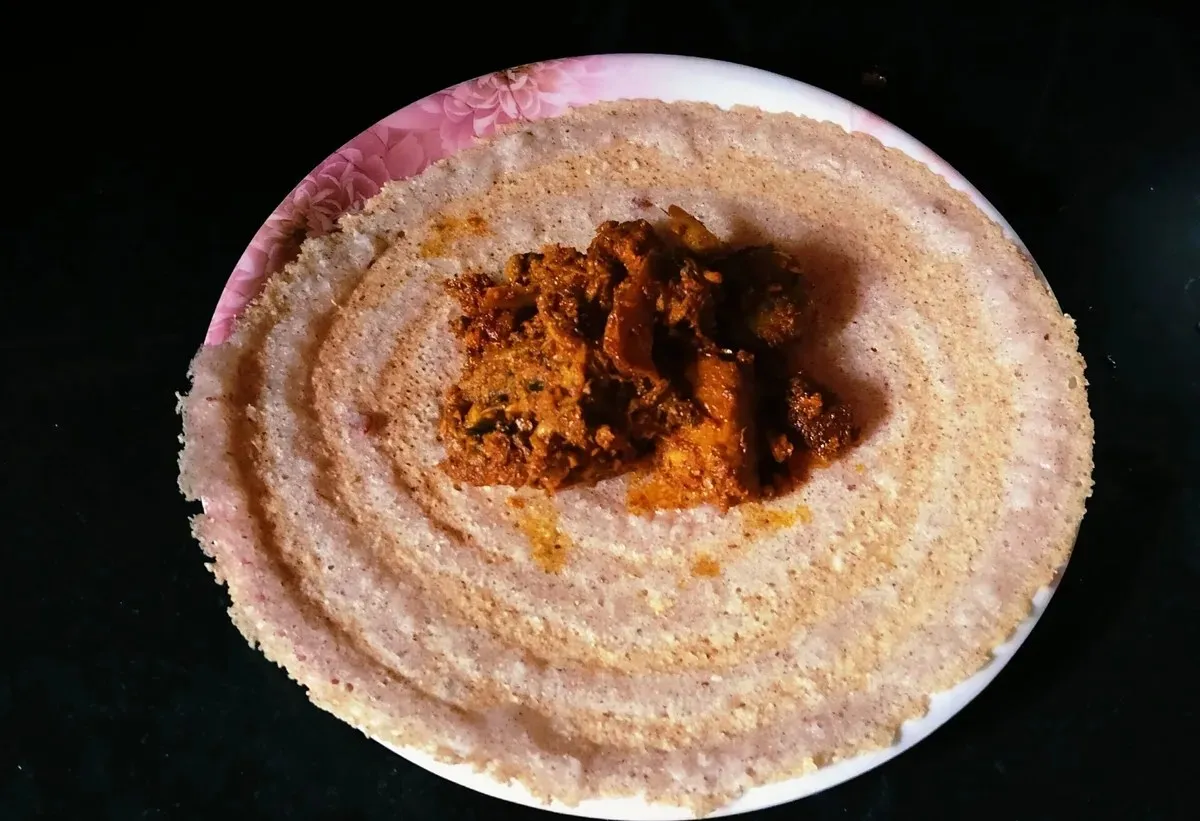 Photo: Yakshitha, CC BY-SA 4.0, via Wikimedia Commons
Mangalorean food is the coastal cooking of the Mangaluru and Udupi area, and coconut and tamarind run through many of its dishes.
Incredible India says kori ajadina is the Tulu name for chicken sukka. The word “sukka” means dry.
Signature dishes:
- Kori sukka: chicken cooked with spices and fresh grated coconut until dry, eaten with rice rotti or plain rice.
- Bangude pulimunchi: a tangy mackerel curry. “Puli” means tamarind and “munchi” means chillies.
- Chicken ghee roast: a rich chicken dish from Kundapur, in coastal Karnataka.
For vegetarians: goli baje, a soft fried snack also called Mangaluru bonda, and kottige idli, steamed in cones of jackfruit leaves. Holige, a sweet flatbread filled with chana dal, makes a good dessert.
On your menu: kori sukka is a dry dish, so it travels well for delivery. Goli baje makes an easy tea-time snack.
How Do You Add a Unique Indian Cuisine to Your Menu?
Add a regional cuisine one dish at a time, and test it before it becomes a fixed part of your menu.
Before you launch 1. Pick the cuisine your customers ask for 2. Source the ingredients that make it 3. Cost one plate before you list it For two to four weeks 4. Run it as a special 5. Are sales holding up after week 1? Yes: move it to your main menu No: try a dish from another cuisine The five steps to test a regional cuisine, from picking it to the keep-or-swap decision.Each step is explained below.
Step 1: Pick the Cuisine Your Customers Ask For
Start with the people who already eat at your outlet.
Ask your regulars which home food they miss. Look at who lives and works near you, such as students or office staff from another state. A cuisine with a ready group of homesick fans is easier to sell than one nobody nearby knows.
Check your own sales too. If your fish curry sells well, masor tenga or bangude pulimunchi is a natural next step.
Step 2: Source the Ingredients That Make It
Most cuisines on this list depend on one or two ingredients. Find a steady supplier for them before you launch.
Think of elephant apple for masor tenga, akhuni for Naga pork, Malvani spices for kombdi vade, or Dalle chillies for a Sikkim meal. Buy a small trial batch first, and check how long it keeps.
Plan a backup too. If elephant apple runs out, tomato and lemon can give your masor tenga its sour taste.
Step 3: Cost One Plate Before You List It
Work out what one plate costs you before you set its price.
List every ingredient in one portion. For each ingredient, divide the pack price by the number of portions the pack makes. Add up those portion costs to get your plate cost. Divide it by the price you plan to charge, and multiply by 100, to get your food cost percentage.
Our free recipe costing calculator does the sums for you. Our guide to menu pricing strategies helps you set the final price.
Step 4: Run It as a Two-to-Four-Week Special
Launch the dish as a limited-time special, so you can test it without reprinting your menu.
Give it a one-line story on your specials board or insert, such as “Champaran meat, sealed in a clay pot and slow-cooked over charcoal”. Brief your servers on the same story, so they can suggest it at the table.
Our tips for creating a special menu cover how to plan and promote it.
Step 5: Keep It if It Keeps Selling
Judge the dish on its weekly sales after the first week.
Curious guests may try a new dish once in its first week. If sales hold up in the weeks after that, the demand is real. Check the dish’s sales each week, and read what guests say in reviews.
If it keeps selling, move it to your main menu. If it does not, try a dish from another cuisine on the list.
How Can Petpooja Help You Test a Unique Indian Cuisine?
Petpooja is restaurant management software, and it helps you add and track a new dish in one place. Outlets across India use it to run billing, menus, stock and reports.
Here is how it helps while you run the test.
Add the dish to your menu. Its menu management software lets you add the new item with variations and add-ons. A half and a full plate is one example. You can switch the item on or off from the POS (point of sale) when your key ingredient runs low.
Teach the kitchen the recipe. You can save preparation steps for each item, with images. Your cooks see them on the kitchen display system when they open the item. That helps a new dish taste the same on every shift. The kitchen display runs on the Offline and Electron versions of the POS.
Know the cost of every plate. Its inventory software holds the recipe for each item and deducts stock on every sale. It also tracks recipe costs and raw material prices. Full inventory, with recipes and costing, runs on the Electron version of the POS.
See how many plates it sells. The item-wise sales report in its reports and analytics shows the plates sold each week.
You can also ask its AI assistant, Ask Me Anything, plain questions such as “What were my top-selling items yesterday?”
What I could recommend from my end: put every trial dish in its own menu category, such as “Regional special”. Then the trial dishes stay easy to find in your sales reports, and you can switch off any dish that does not make the cut with Item On/Off.
To see how it works for your outlet, book a free demo.
Conclusion
These 10 cuisines give your menu dishes that few outlets near you serve yet.
Start small. Pick one cuisine your customers miss, source its key ingredients and cost one plate. Then run it as a special and keep it only if sales hold up.
A restaurant POS that shows item-wise sales tells you each week whether the dish keeps selling.
Frequently Asked Questions
Which of these cuisines suits a pure-veg outlet?
Bihari and Odia food suit it well, because many of their well-known dishes are vegetarian. Litti chokha, sattu paratha, dalma, santula and chhena podo are all vegetarian, so you can build a small regional menu from these two.
Which unique Indian food is easiest for a quick service restaurant (QSR)?
Dishes that can be made ahead and served fast suit a QSR best. Litti chokha, goli baje and thukpa all fit, because the littis, the goli baje batter and the thukpa broth can all be made before the rush and finished quickly.
Can a cloud kitchen serve a regional cuisine?
Yes. Pack rice, breads and broth separately so nothing turns soggy, and use the delivery column in the table above to pick the dish. Our guide to starting a profitable cloud kitchen covers the rest of the setup.
Do regional dishes need a specialist chef?
Some do. A full Wazwan spread runs to many dishes, so it needs a cook who knows them all. Simpler dishes, such as dalma or litti chokha, can be learned by a trained cook who follows written recipe steps.
Thanks. This helps us make the next article better.

Himanshu Rupani is a growth marketer & content writer at Petpooja. He believes in healthy food, healthy mind but has a soft spot for cocktails and desserts!





Comments
Loading comments…