


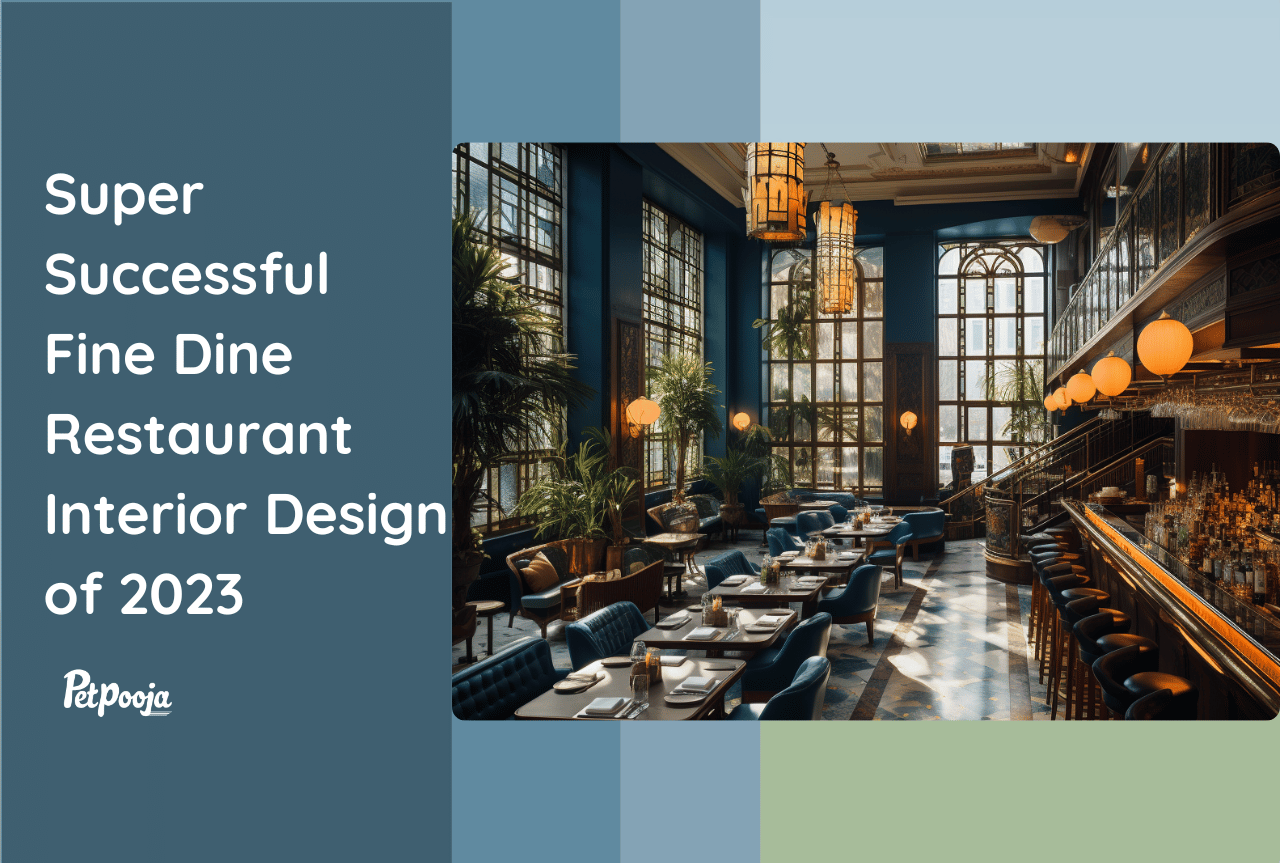
For any fine dining restaurant, ambience, aesthetics, and overall atmosphere play crucial roles in setting the tone for a memorable culinary experience. When customers walk into a fine dining establishment, they want all their senses to be pleased. And the first one, before they even look at the menu, is their sight, aka your restaurant’s interior.
So if you plan to start a fine dining restaurant, here are some key elements and considerations that can help you design a stunning restaurant interior while also prioritizing safety, comfort, ventilation, and furniture selection!


9 Pointers for Creating a Charming Fine Dining Restaurant Interior
1. Define Your Concept and Theme
Before diving into the specifics, it’s essential to establish a clear concept and theme for your restaurant. Determine the ambience and experience you wish to offer your guests. Are you aiming for a contemporary, elegant, rustic, or luxurious setting?
Your concept should align with your menu, target audience, and overall brand identity!
2. Layout and Space Planning
Optimal space planning is crucial for a fine dining restaurant, especially when it comes to making the layout spacious, in look and also for operations. Usually, in fine dines, the dinning space is designed to make the whole place look spacious. This includes high ceilings, floor-to-wall windows, high beams, quality drapes and table clothes, and most important the colour synergy between all of these elements.
A well-designed layout layout determines how guests interact with the space and how staff will navigate through the restaurant. Most of the fine dines have their tables 30-35 inches apart from each other. This can vary depending the floor sizie, the seating capacity at each table, and the path from kitchen to the dining area for the staff.
3. Restaurant Interior Lighting
Few people realize that few things are as important as the lighting in a restaurant interior to set a tone. It plays a vital role in creating the desired restaurant ambience in a fine dining establishment. It is also essential for maintaining a comfortable environment for dining. After all, customers love to be able to see what they are eating 😉
A combination of natural and artificial lighting can enhance the mood and accentuate specific areas of your restaurant and even your plating. Consider installing dimmers to adjust the intensity of the lighting throughout the day, allowing you to create different atmospheres for lunch and dinner services. Remember to also ensure that all areas, including walkways and restrooms, are well-lit to prevent accidents and create a sense of security.


4. Color Palette and Materials
The choice of colours and materials can significantly impact the overall aesthetics of your restaurant interior. Select a colour palette that compliments your concept and evokes the desired emotions.
For instance, warm and earthy tones create a cosy and inviting ambience, while cooler tones convey a sense of elegance and sophistication. Integrate high-quality materials such as wood, marble, leather, or brass to add a touch of luxury and authenticity to the space. Choose materials that are durable, easy to clean, and adhere to hygiene standards.
5. Furniture and Seating
Another key feature in designing your restaurant interior is investing in comfortable and visually appealing furniture. The furniture should not only enhance the overall design but also prioritize comfort and safety.
Choose seating options that align with your concept, whether it’s classic upholstered chairs, sleek modern designs, or a combination of different styles. Pay attention to the height and spacing of tables to ensure comfort and privacy for your guests.
The furniture your choose has a huge impact your dining floor area. Furniture can either enhance or overthrow your entire restaurant interior. It can either make your place look luxurious or cluttered. Even giving your staff and customers trouble to move about the place.
And so, you should pick the furniture that enhaces your restaurant interior, make the place look classy, is comfortable to sit on and most importantly, easy to clean and maintain. But never compromise on the quality!
6. Art and Decor
Art and decor elements can elevate the visual appeal of your fine dining establishment. Select artwork that complements your theme and resonates with your target audience. Consider incorporating sculptures, paintings, or photography that evoke emotions and create conversation pieces.
You can also opt for wall-mounted artwork or secure decorative pieces properly to prevent accidents. Additionally, decorative elements such as elegant tableware, luxurious linens, and tasteful centrepieces can add a sense of refinement and attention to detail.
7. Safety and Ventilation
Ensuring a safe and healthy environment for your guests is of paramount importance. Remember to incorporate safety measures such as fire alarms, emergency exits, and clearly marked evacuation routes. Install adequate ventilation systems to maintain a fresh and clean air supply, which is especially important in enclosed spaces.
You may also use air purifiers or high-quality HVAC systems to improve air quality and circulation. Adhere to local health and safety regulations to prioritize the well-being of your guests and staff.
8. Clean and Maintained Restrooms
Often overlooked, restrooms are an integral part of the overall dining experience. Ensure that your restrooms reflect the same level of elegance and cleanliness as the rest of your restaurant. Afterall, it the hot spot for amazing mirror selfies!
Choose high-quality fixtures, comfortable seating, and ample lighting. Maintain cleanliness by employing proper sanitization protocols and providing essential amenities for guests’ comfort and convenience.
9. Outdoor Dining Spaces
Outdoor dining spaces create an atmosphere like no other! Consider incorporating outdoor dining spaces such as patios or terraces, allowing guests to enjoy their meals in an open-air environment. Outdoor spaces can provide a refreshing change of scenery and enhance the overall dining experience.
Incorporate comfortable seating, appropriate shading, and lighting for evening services. Ensure that outdoor spaces comply with safety regulations and provide a cosy and inviting atmosphere.


Designing your fine dining restaurant interior requires careful consideration of multiple factors, including safety, comfort, ventilation, and furniture selection. By defining your concept and theme, optimizing space planning, prioritizing safety measures, and paying attention to the finer details, you can create an exquisite interior that not only delights your guests but also provides them with an unforgettable dining experience.
We hope you found this blog helpful. Follow us on Instagram and subscribe to our newsletter for more useful information about the restaurant industry!


